1.0 Overview
Project Duration: 3 Months
Industry: High-Traffic File Hosting & Streaming
Role: Lead System Administrator / Infrastructure Architect
2.0 Background
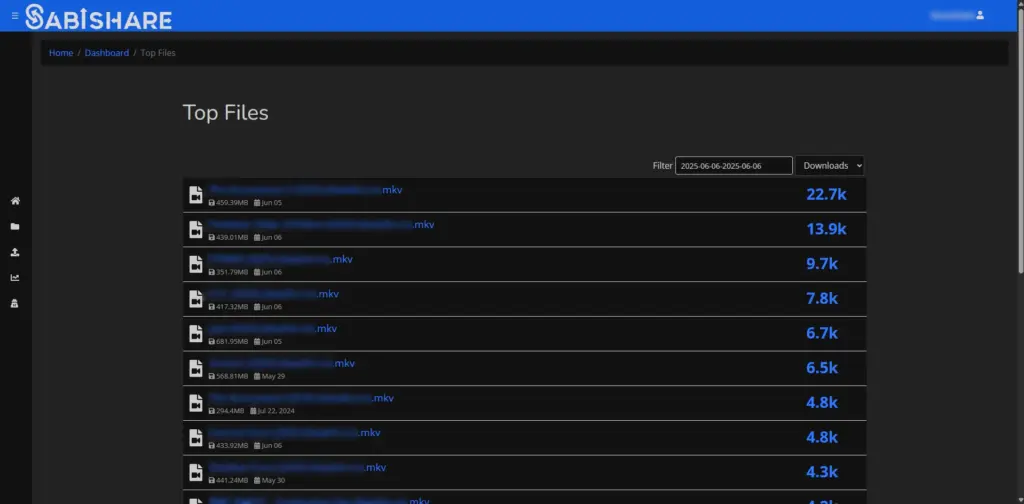
I was tasked with building a file-sharing platform capable of handling intense daily traffic – specifically, an initial target of 500,000 daily requests across file streaming and downloads. The client needed a system that wouldn’t just work today but could scale horizontally as their user base grew.
3.0 Architectural Strategy: Thinking “Scale-Out”
From day one, I opted for a Microservices architecture. I knew a monolithic approach would bottleneck under the load of half a million requests.
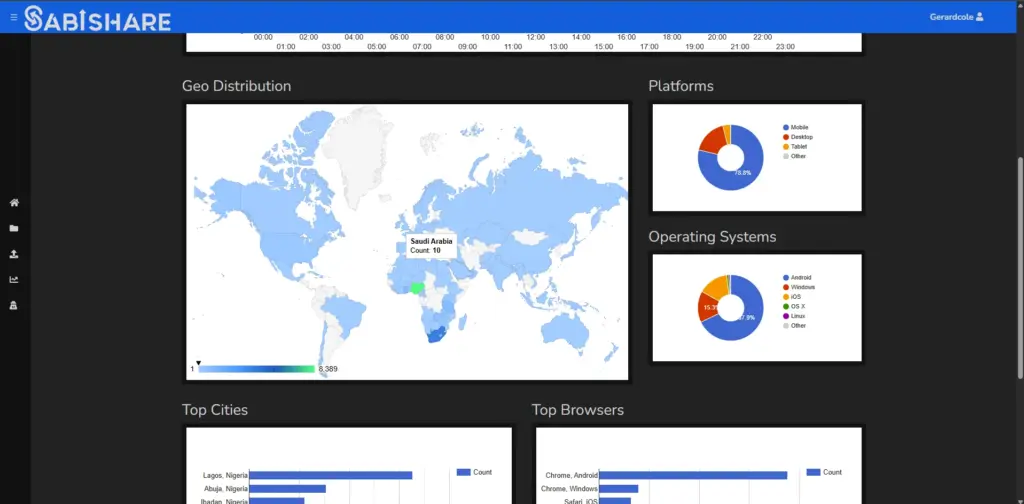
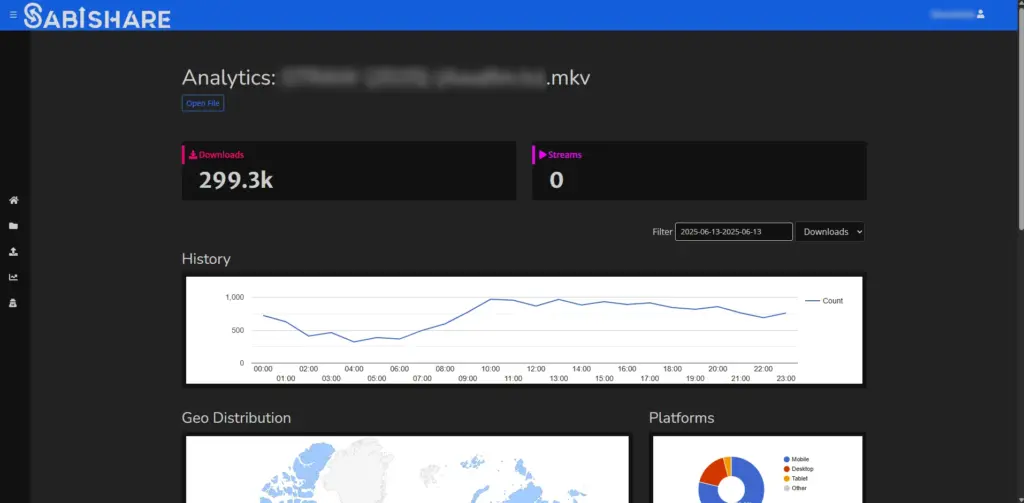
- The Database Layer: To ensure high performance, I implemented MongoDB for flexible, document-oriented storage and ClickHouse to handle the heavy lifting of real-time analytics.
- The Speed Layer: I integrated Redis for in-memory caching to reduce database hits and Elasticsearch to provide near-instant full-text search results for millions of files.
- The API Engine: I built the backend using PHP with Swoole. This was a critical choice; using Swoole allowed for asynchronous, coroutine-based processing, which is far more efficient for high-concurrency environments than traditional PHP-FPM.
4.0 Implementing the Node Clustering System
The “brain” of this project was the clustering system I designed. I organized the file-serving nodes into a Primary-Secondary hierarchy:
- Smart Routing: I defined clusters based on activity (hot vs. cold storage) and time-based delimiters.
- Data Synchronization: I configured the Primary nodes to act as managers. When a file is uploaded or deleted, a trigger immediately fires a sync event across all Secondary nodes.
- Load Balancing: This setup ensures that no single server is overwhelmed, as the secondary nodes take the brunt of the file-serving and streaming traffic.
5.0 Custom-Built Content Delivery Platform (CDP)
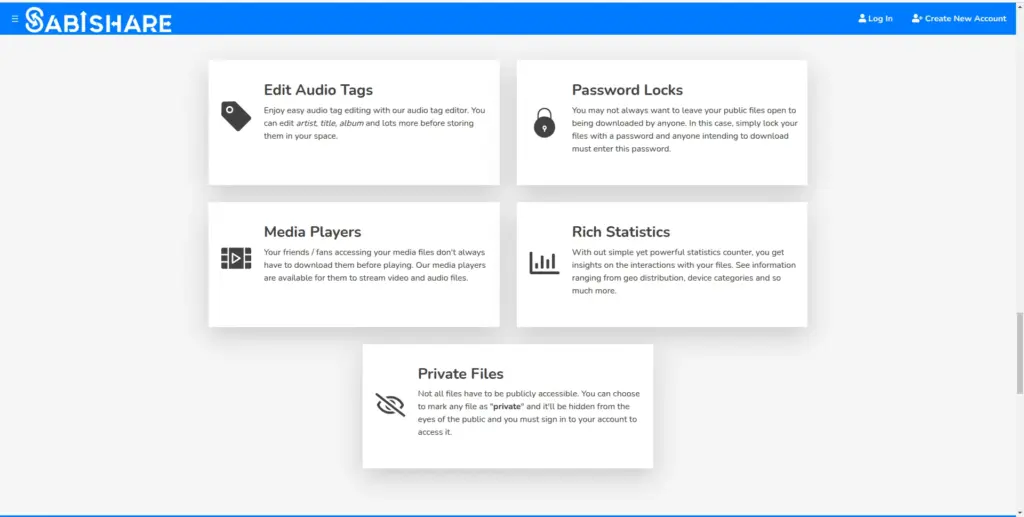
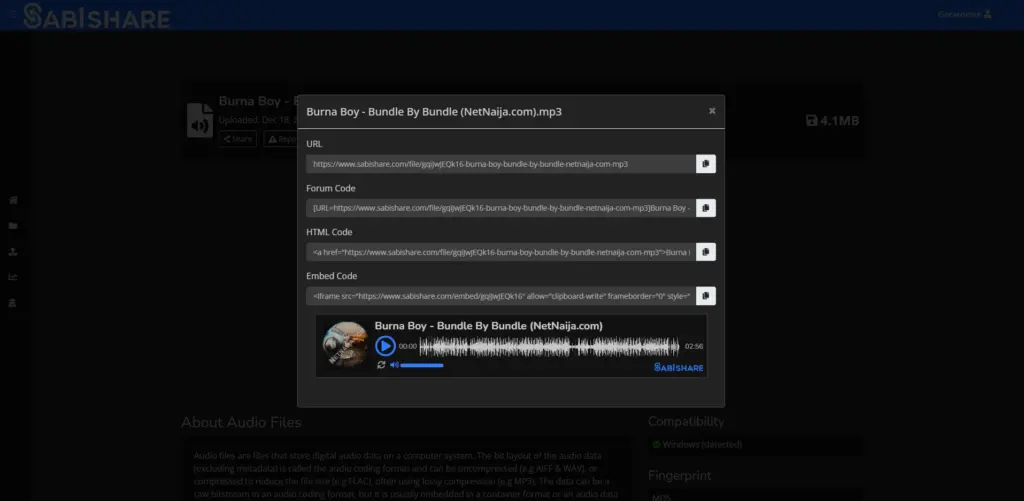
Beyond simple hosting, I developed a dedicated CDP to handle media processing. This service automatically generates thumbnails for images and waveforms for audio files upon upload. By offloading this from the main API, I ensured that the user interface remains snappy even during heavy upload periods.
6.0 Security & User Experience Features
I focused heavily on the “Administrative” side of the system to make it easy for the client to manage:
- Role-Based Access (RBAC): I built a grouping system where resource limits (storage, speed, etc.) are dictated by the user’s group.
- Secure Account Sharing: I implemented a “Profile Switching” feature. This allows users to invite others to manage their profile with granular permissions (View/Create/Update), removing the need to share passwords.
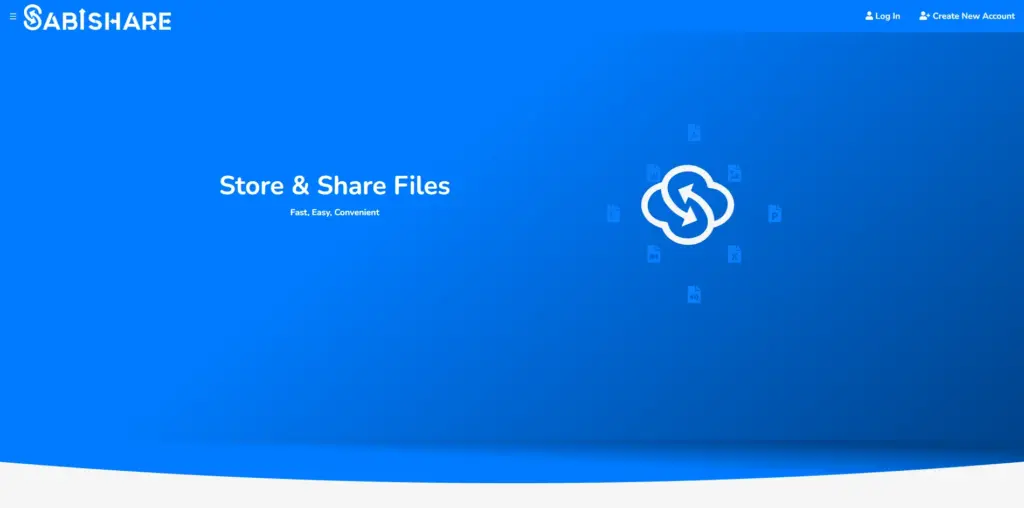
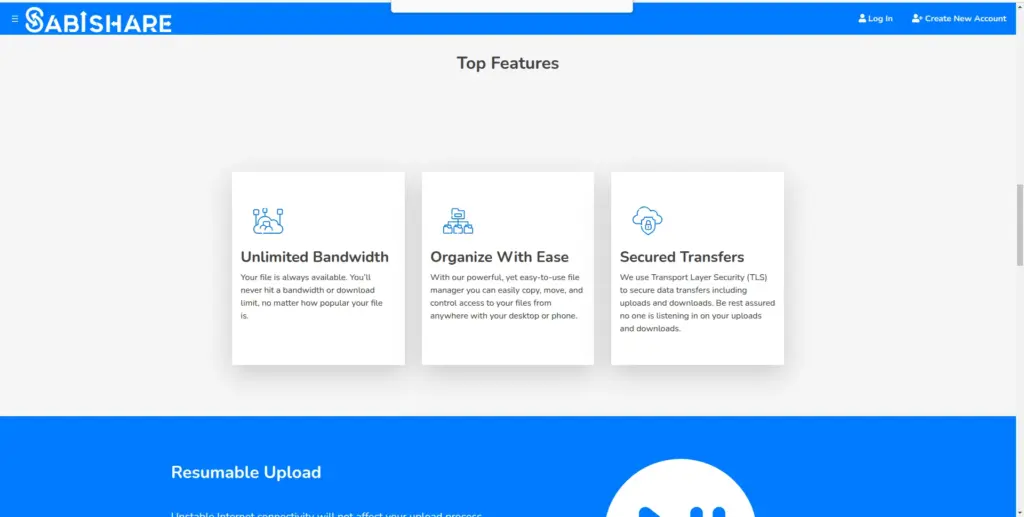
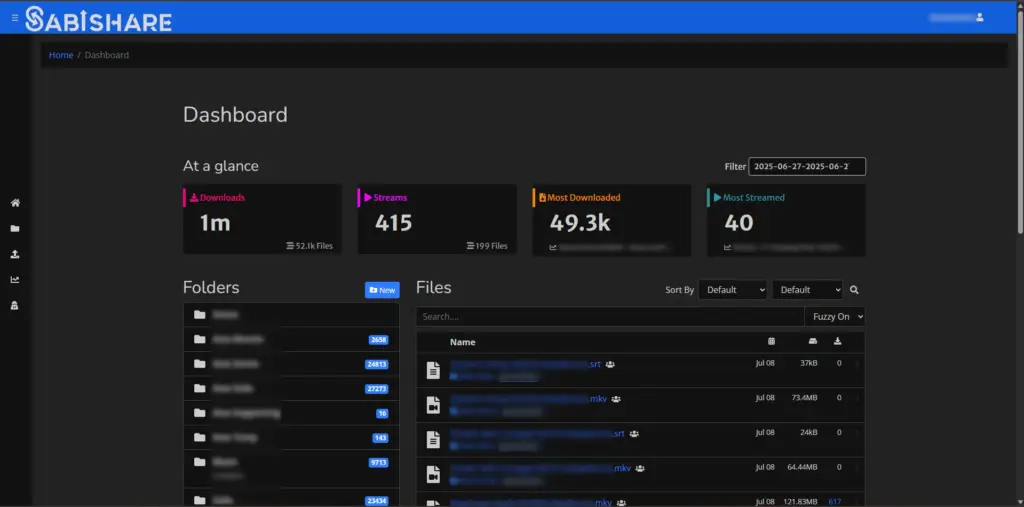
- Frontend Performance: For the dashboard, I deployed a Nuxt.js (SSR) application as a Progressive Web App (PWA), ensuring fast load times and a native-app feel on mobile.
7.0 The Results
After three months of development and rigorous testing, I delivered a platform that is:
- Horizontally Scalable: New nodes can be added to any cluster in minutes.
- Resilient: With automated syncing and real-time node monitoring, the system recovers quickly from hardware failures.
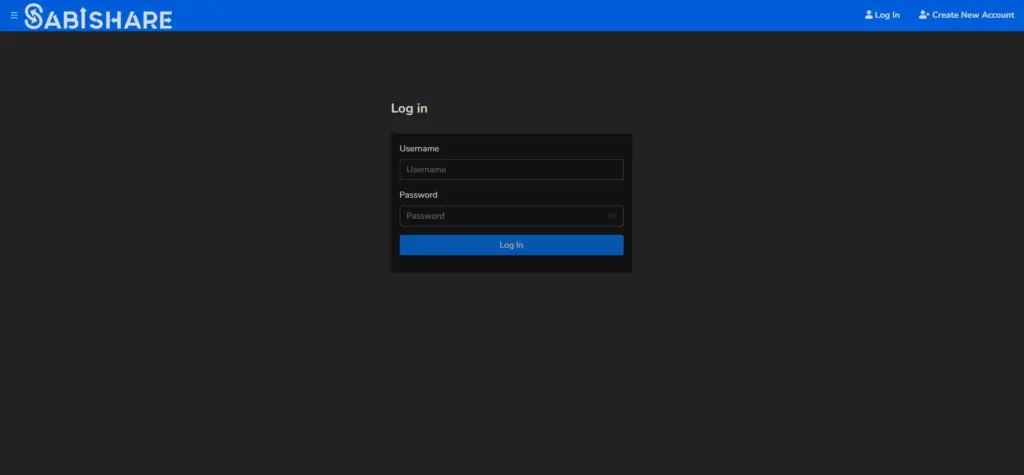
- Performance-Optimized: Dark/Light mode UI with lightning-fast media players for a premium user experience.
8.0 Technical Stack Summary
| Layer | Technology | Primary Function |
|---|---|---|
| Backend Core | PHP + Swoole | High-performance asynchronous and coroutine-based request processing. |
| Frontend | Vue.js / Nuxt.js | Server-Side Rendered (SSR) Progressive Web App for superior UX and SEO. |
| Primary Database | MongoDB | Horizontally scalable, document-oriented storage for flexible file metadata. |
| Search Engine | Elasticsearch | Distributed full-text search and indexing for rapid file retrieval. |
| Analytics Engine | ClickHouse | Column-oriented DBMS for high-speed, real-time data processing and analytics. |
| Cache Store | Redis | In-memory data structure store used for low-latency session and data caching. |
| Infrastructure | Bash | Automation scripts for server configuration and node management. |
| Architecture | Microservices | Decoupled services to allow independent scaling and deployment of system components. |
Architectural Highlights:
- Horizontal Scalability: Every component—from the API to the database—is designed to scale out by adding more hardware rather than just upgrading existing machines.
- Primary-Secondary Clustering: A custom-engineered file-serving logic that manages data synchronization across multiple nodes, preventing any single point of failure.
- Async Processing: Using Swoole allows the PHP backend to handle thousands of concurrent connections (like video streams) without blocking execution.
9.0 Conclusion
The system is currently live and performing at peak efficiency. I continue to provide active maintenance and infrastructure monitoring to ensure the platform scales seamlessly as traffic grows. See Sabishare.com
10.0 Screenshots